
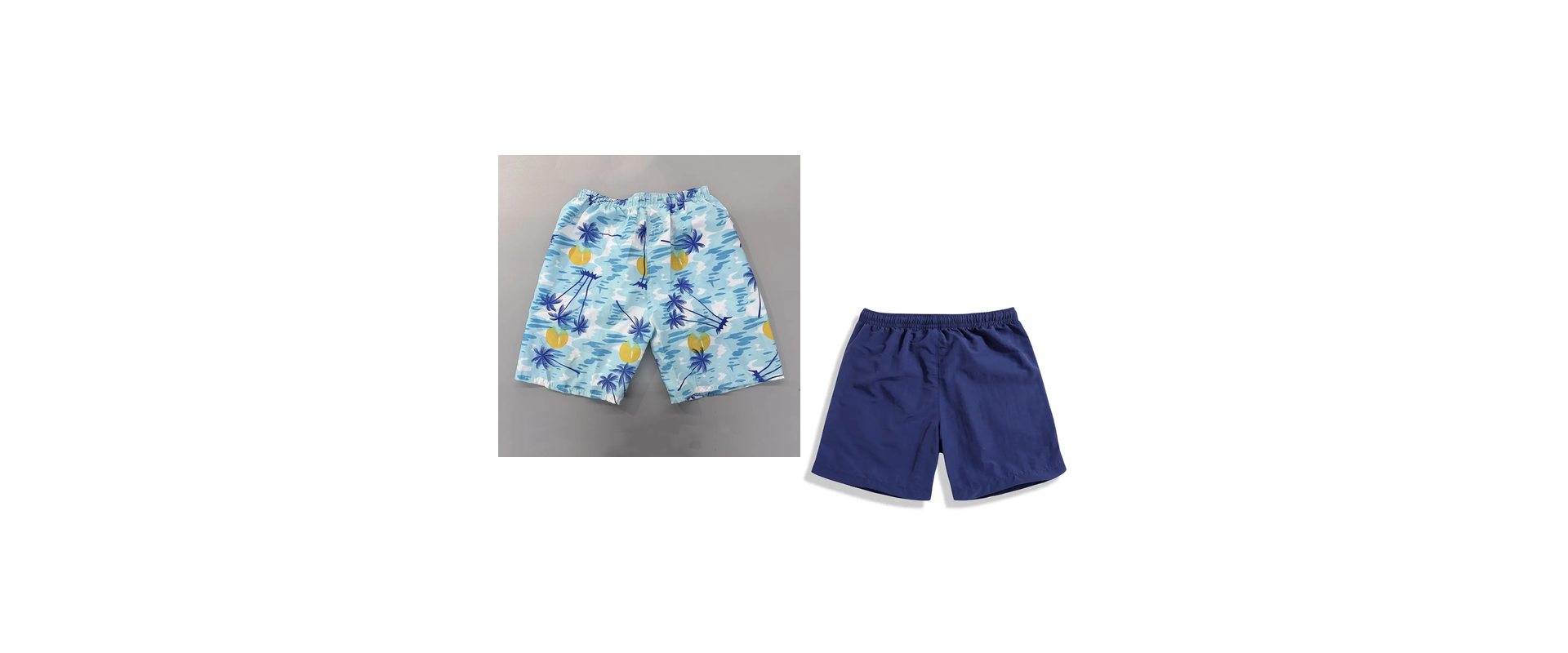
Custom Lightweight Beach Shorts
Lightweight polyester, microfiber, nylon, peach skin and ripstop give beach shorts different handles and drapes. An unlined interior, simple pocket layout and lighter drawcord can reduce layers and trim weight, while mesh remains an option where coverage is needed.
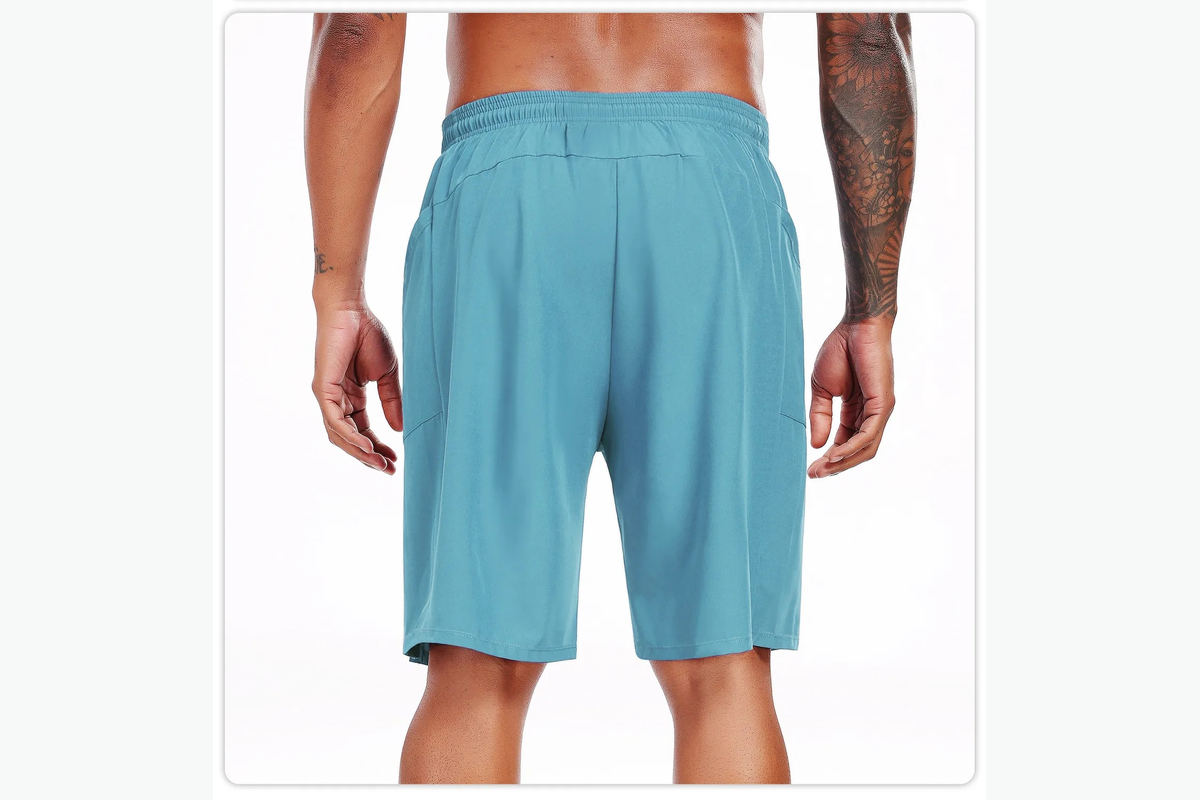
Light shells and simple constructions
- Lightweight polyester, microfiber, light nylon, peach skin and ripstop options.
- Regular or relaxed fits in short and regular lengths.
- Elastic waists and lightweight drawcords with proportionate eyelets.
- Side and back pockets, with optional mesh or an unlined interior.
- Solid colors, sublimation, compatible digital prints and minimal graphics with heat-transfer, screen-printed or woven branding.
What contributes to the weight of a pair?

Shell area
A longer or wider leg uses more cloth even at the same fabric weight.
Fabric construction
Two swatches with similar GSM may differ in openness, drape and handfeel.

Pocket layers
A deep bag and a pocket flap both add material beyond the outer shell.
Lining
Mesh adds a second layer through the lined area, while an unlined version leaves it out.

Drawcord and eyelets
A lighter cord and proportionate eyelets limit added weight at the front of the waist.

Decoration
A small print or seam label concentrates decoration in a limited area and leaves more of the shell’s drape unchanged.
Lightweight-style references
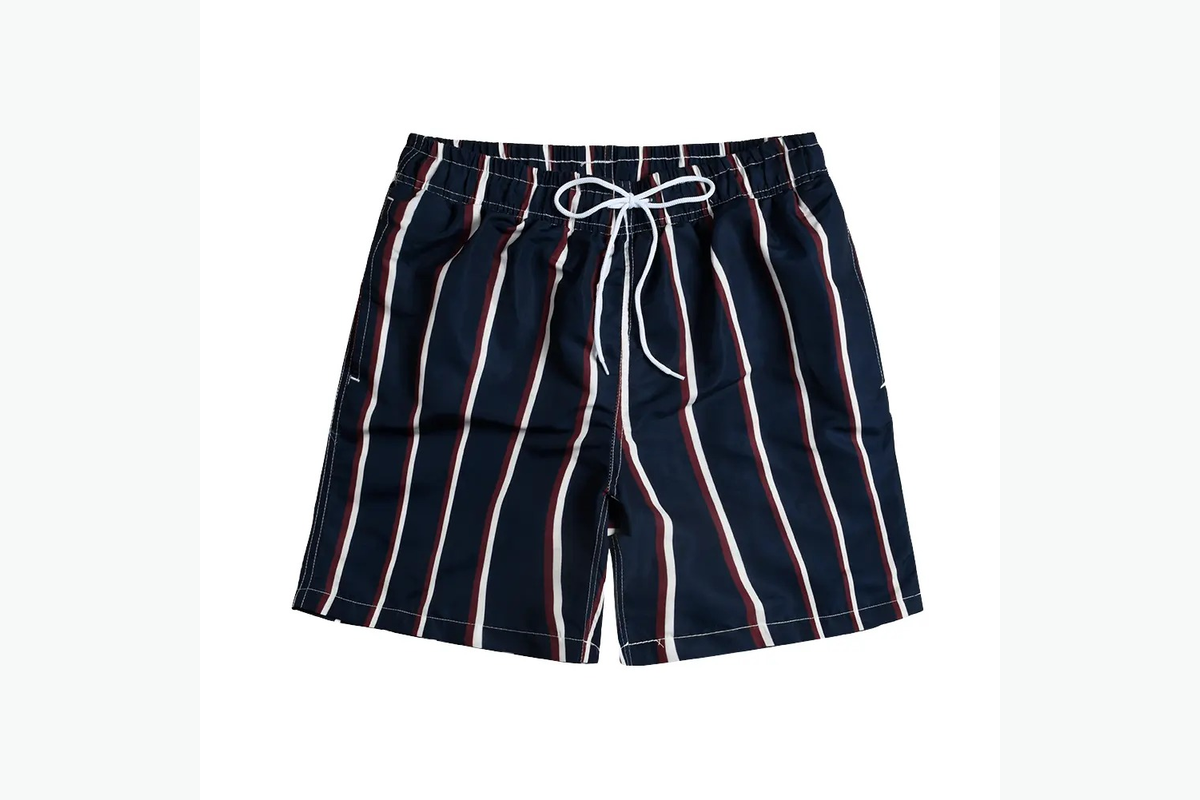
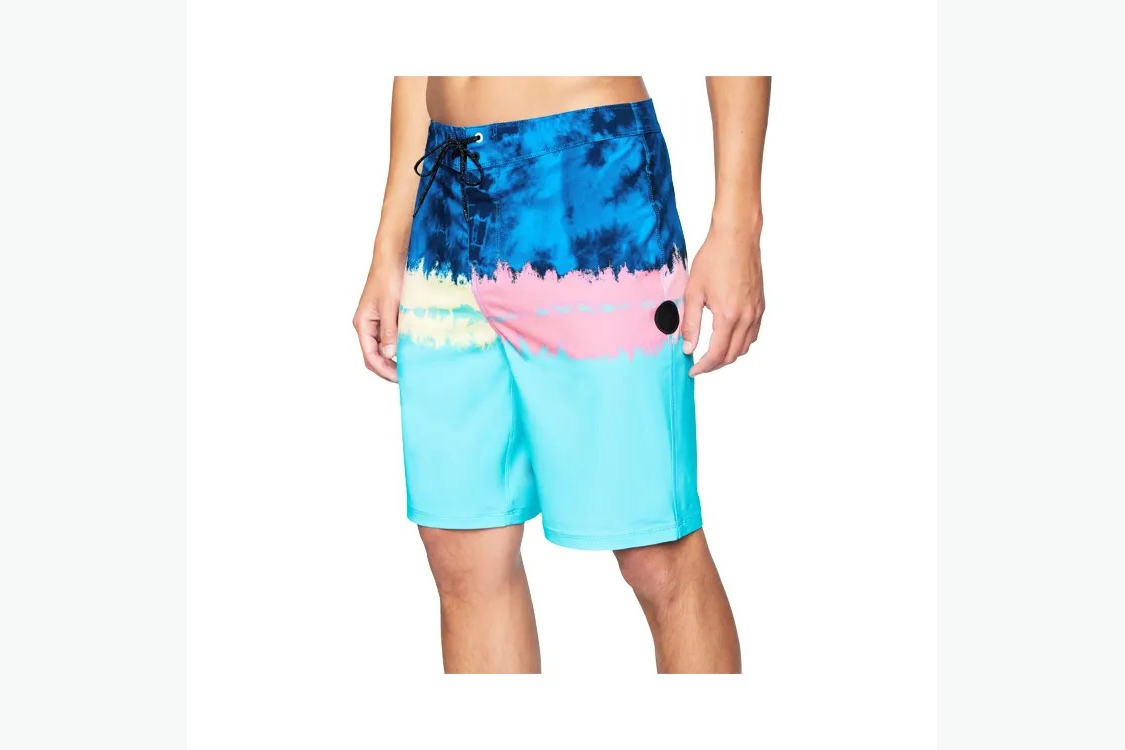
These photos show plain, small-repeat and gradient styles. Their appearance can guide the design; actual fabric and finished-pair measurements establish the weight.
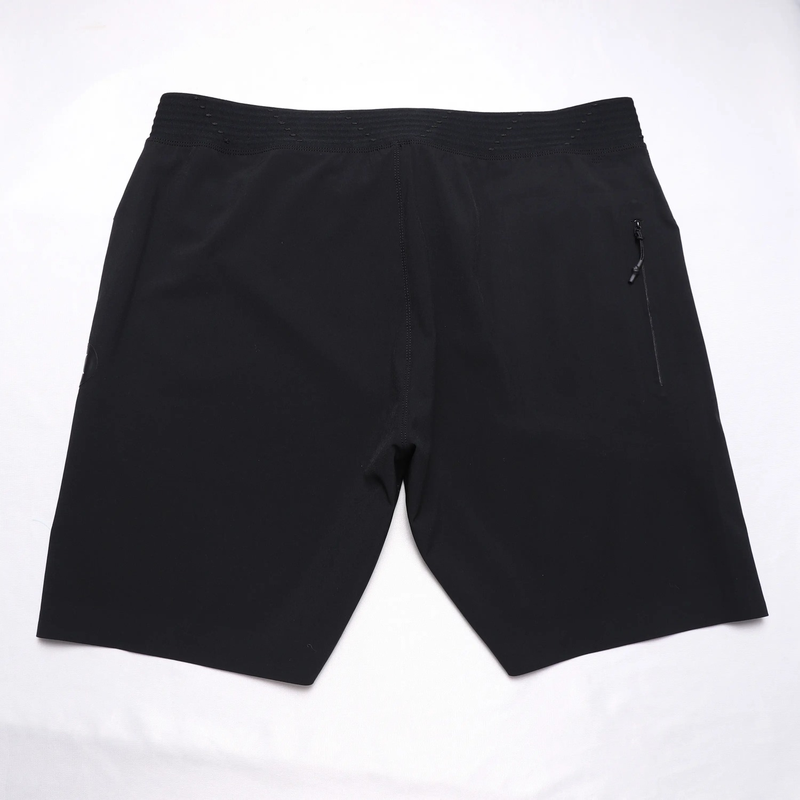
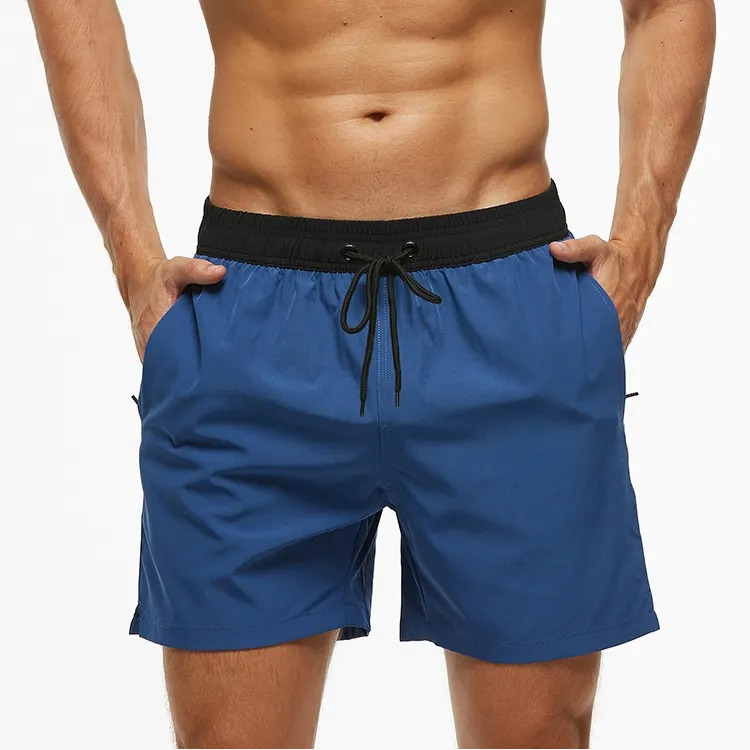
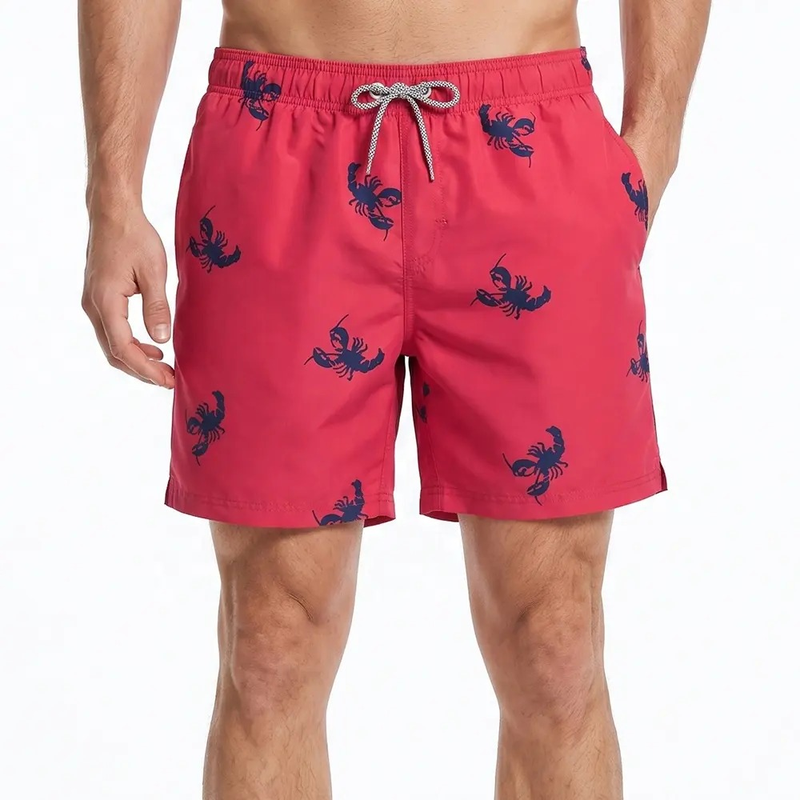
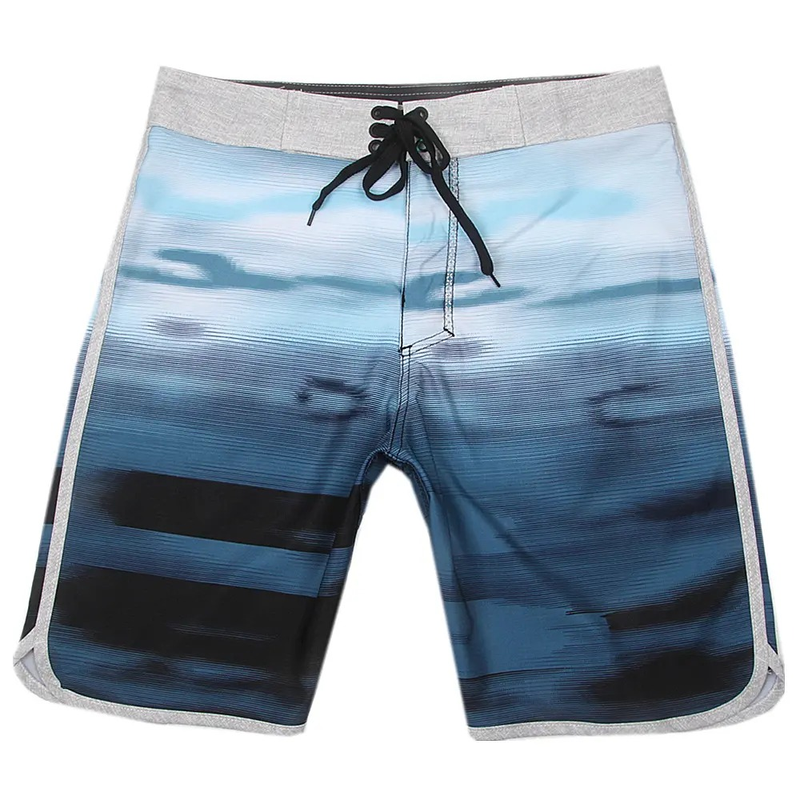
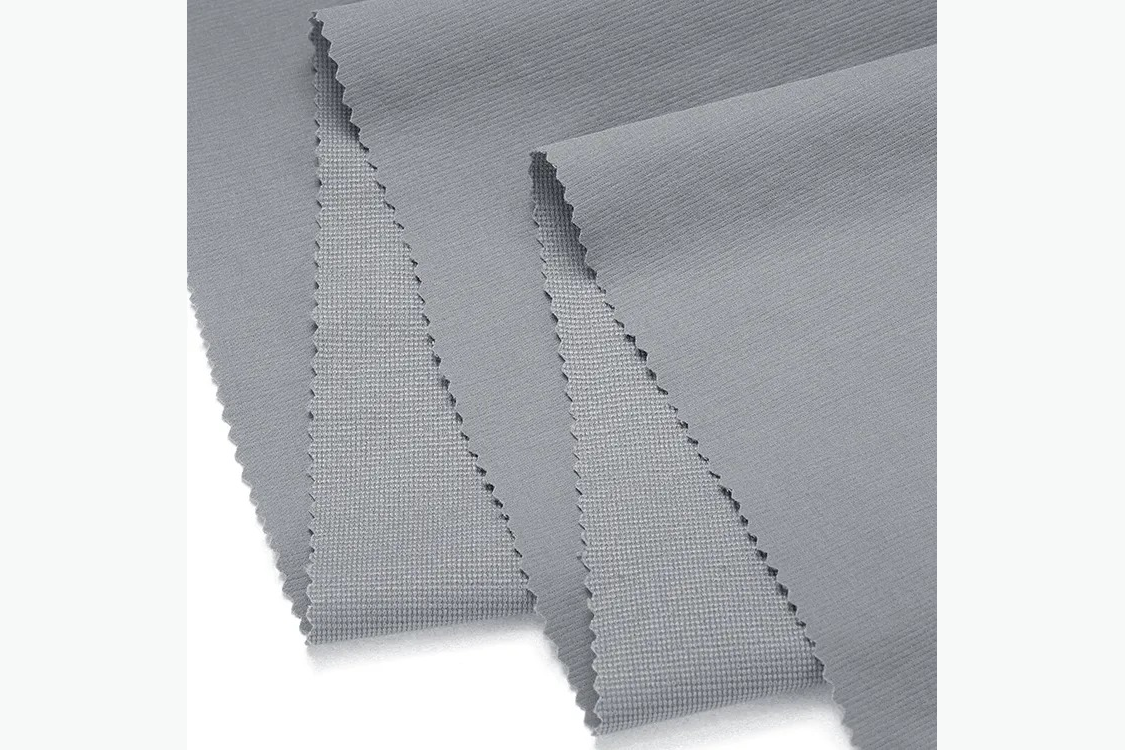
Lightweight woven fabric options
-
Light polyester
Different weights and weaves create a softer or crisper leg. The actual cloth determines drape and coverage. -
Microfiber and peach skin
Microfiber offers a soft hand; a peach-skin surface adds a fine, matte touch. Fabric weight remains a separate specification. -
Light nylon
A lightweight nylon can give a crisper woven silhouette. Its shade and construction affect whether pocket outlines show through. -
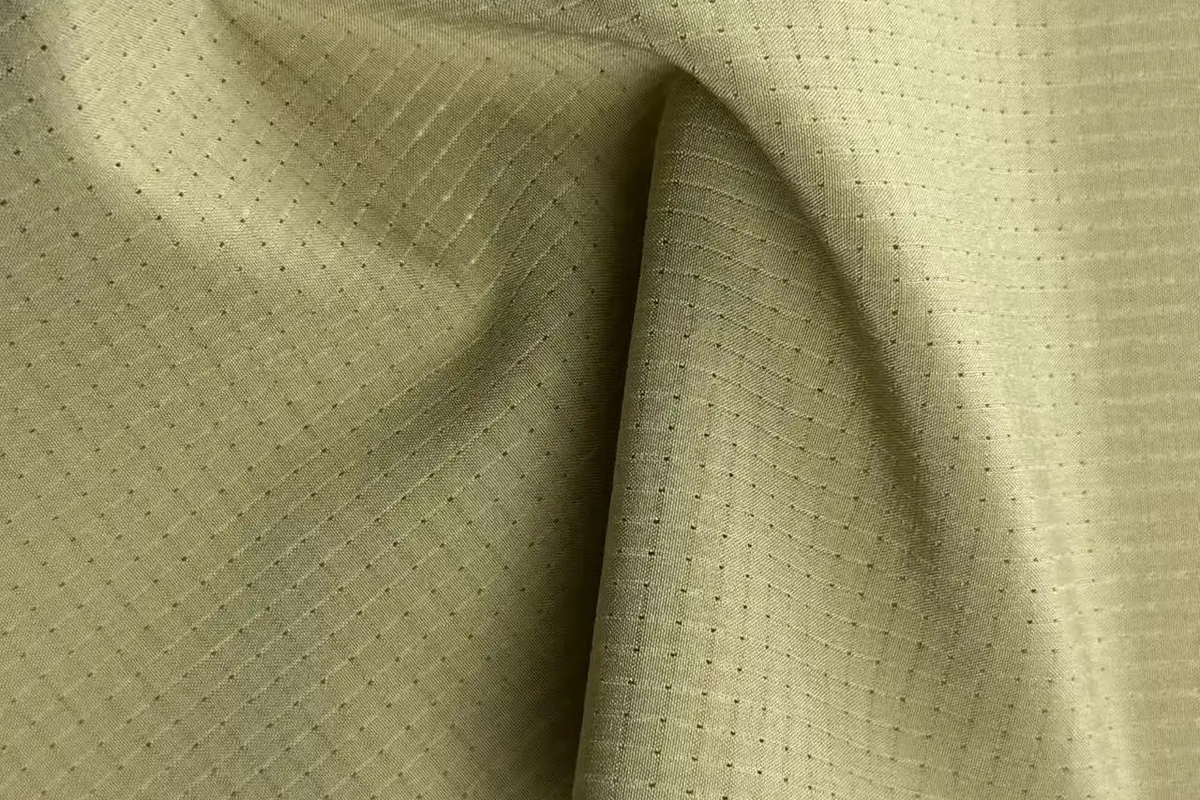
Ripstop
A visible grid adds surface texture. The grid alone does not establish a tear-resistance rating.
Shell color and coverage
-
Pale shell
Light shades can reveal pocket bags and mesh underneath, particularly in a lighter or more open cloth. -
Dark shell
Shade and overlapping fabric can create different visible tones at pockets and seams. -
Lining shade
A matching or contrasting liner changes the interior appearance and may affect how much shows through the shell. -
Wet appearance
A beach-use shell can look different when wet. Wet opacity is separate from dry coverage and fabric weight.
Pockets and lining without extra bulk
-
Pocket layout
Simple side pockets provide access with fewer closure components than a more elaborate layout. -
Lining coverage
An unlined body has fewer layers; optional mesh adds coverage across the lined area. -
Waist hardware
A lightweight drawcord and proportionate eyelets keep the front detail compact. -
Back pocket
A simple patch pocket adds an external layer without a separate flap. Its size and bag arrangement affect the finished bulk.
Short and regular lengths in two fits
-
Short leg
A shorter inseam uses less shell area, with pocket bags kept inside the finished hem. -
Regular length
A longer leg creates more fabric area and space for the pocket layout or graphic. -
Regular or relaxed fit
More width through the hip and leg changes fabric use and how a light shell moves. -
Size range
A finished-pair weight applies to a defined size and construction; a larger size may use more cloth.
Small prints, transfers and woven labels
-
Screen-printed detail
A compact leg logo creates a focal point without decorating the full panel. -
Heat transfer
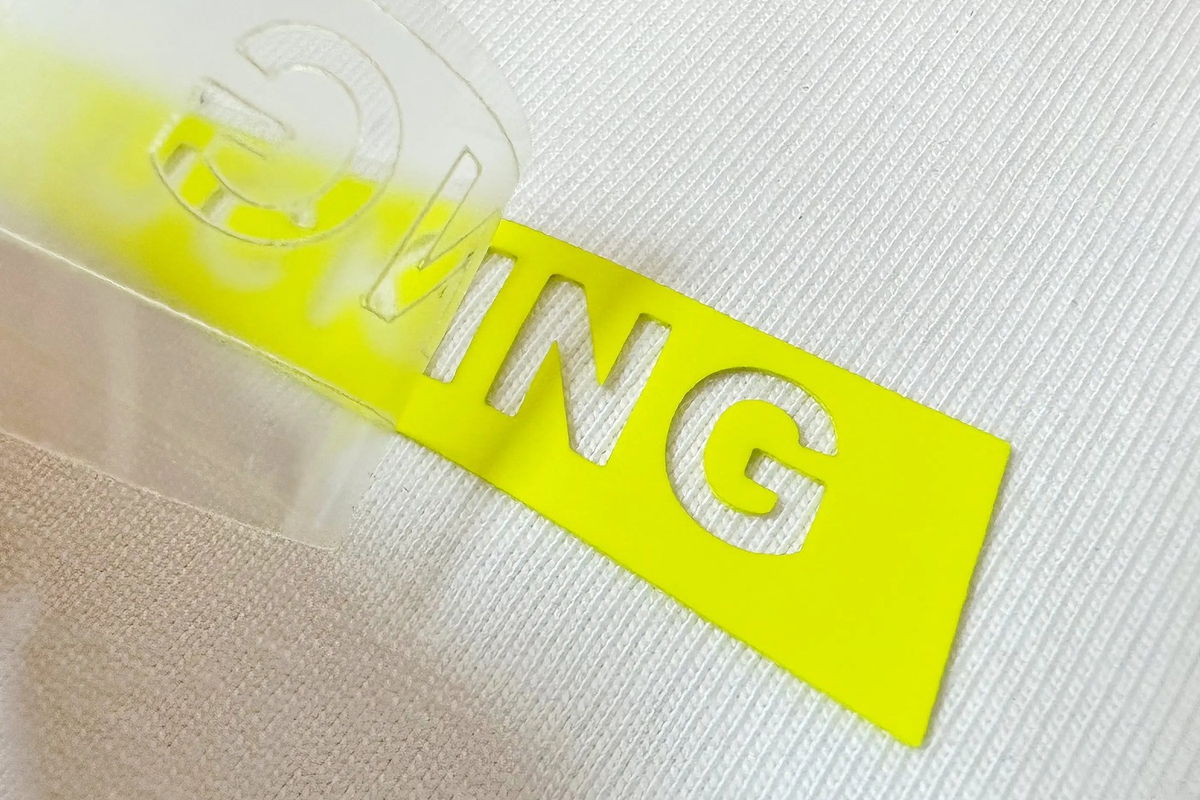
A small transfer adds color in one area. Its handfeel depends on the transfer material and shell weight. -
Woven label
A small seam label concentrates branding at an existing join. -
Hang tag
A printed tag carries additional brand information without changing the shell construction.
Fabric weight and lightweight finishes
Shell weight
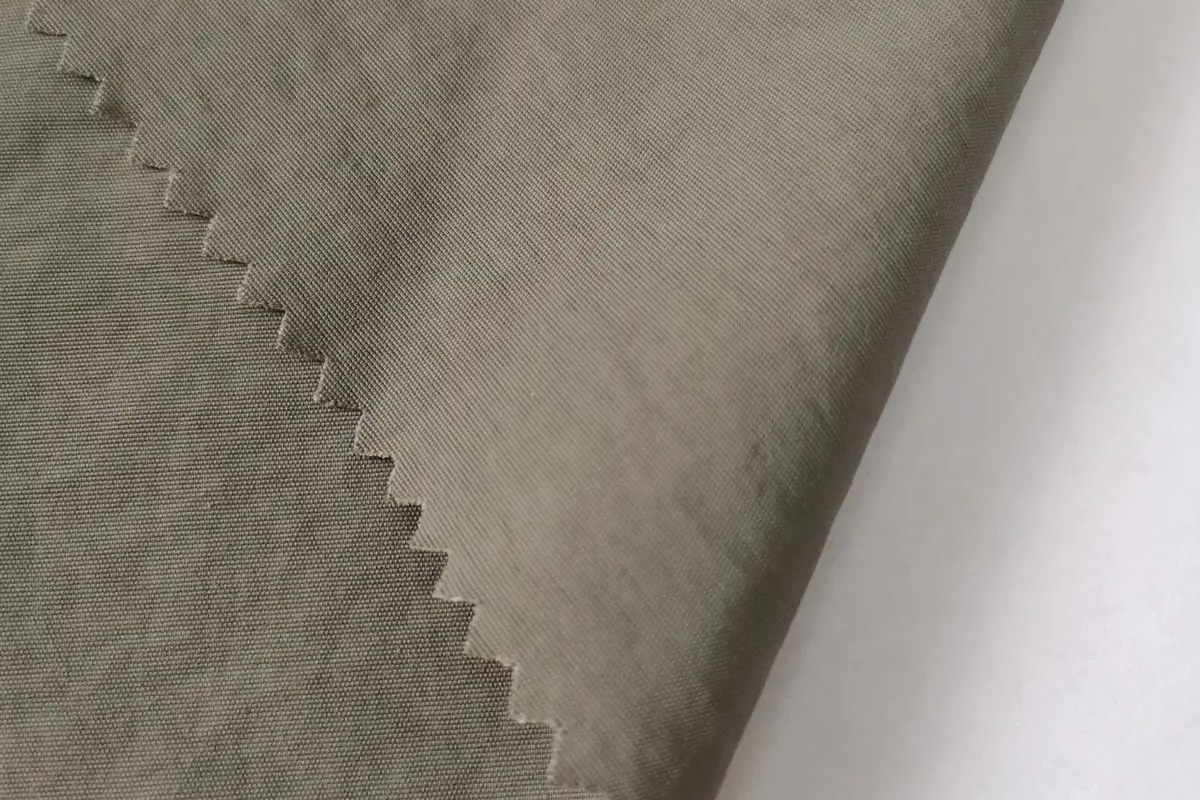
Grams per square meter (GSM) describes the weight of the cloth. A longer pair uses more of that same cloth than a shorter pair.
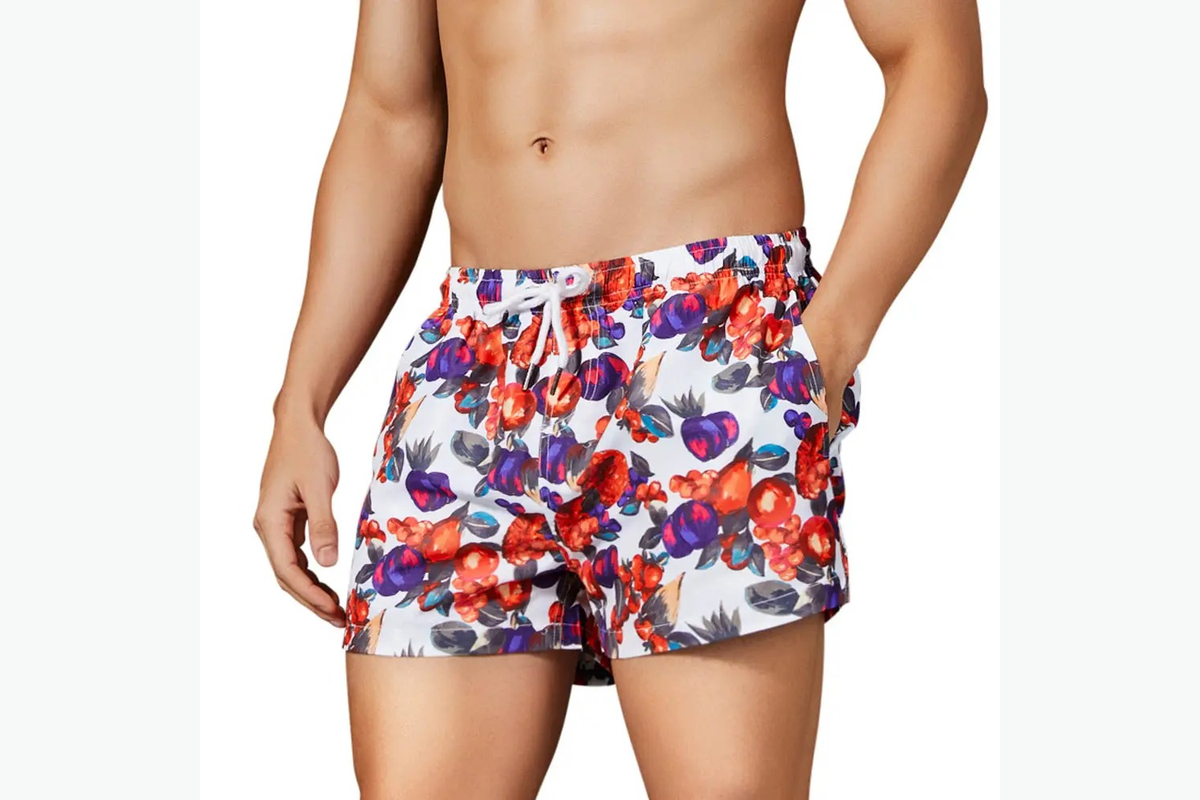
Weight after sewing
A short unlined pair uses less fabric than a longer pair with mesh. A deeper pocket bag also adds fabric, even when the shorts look the same from the outside.
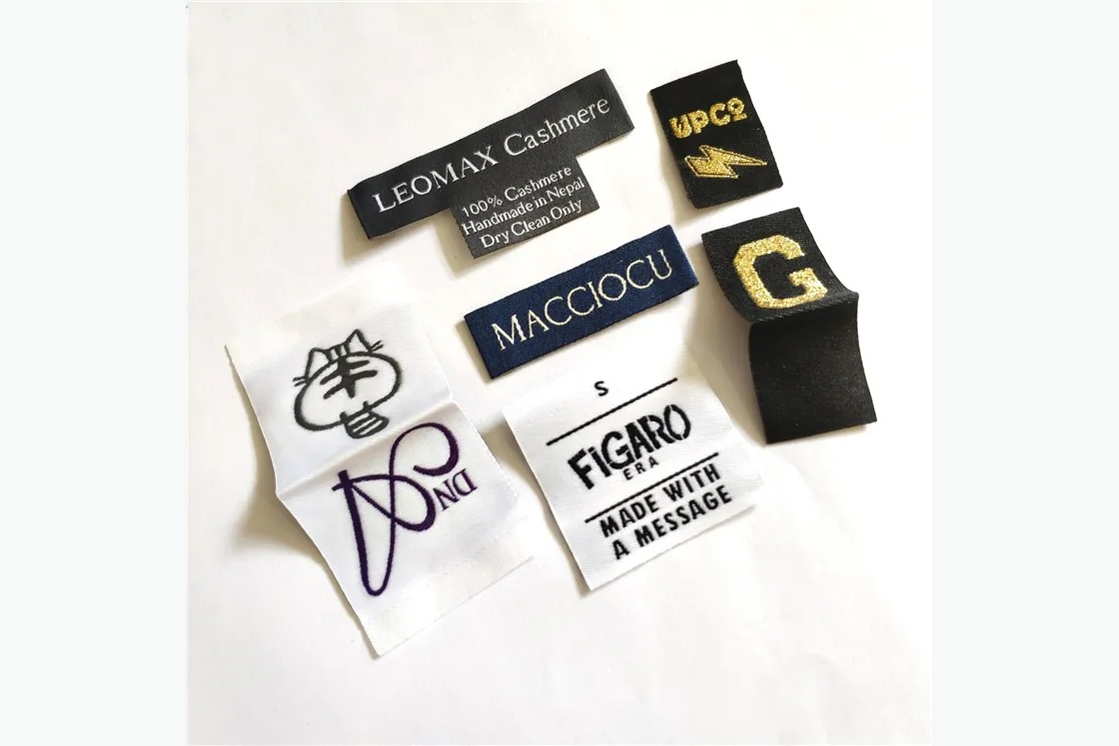
A small woven label
A narrow woven tab can carry a wordmark in the side seam. The body of the light shell remains free to drape.
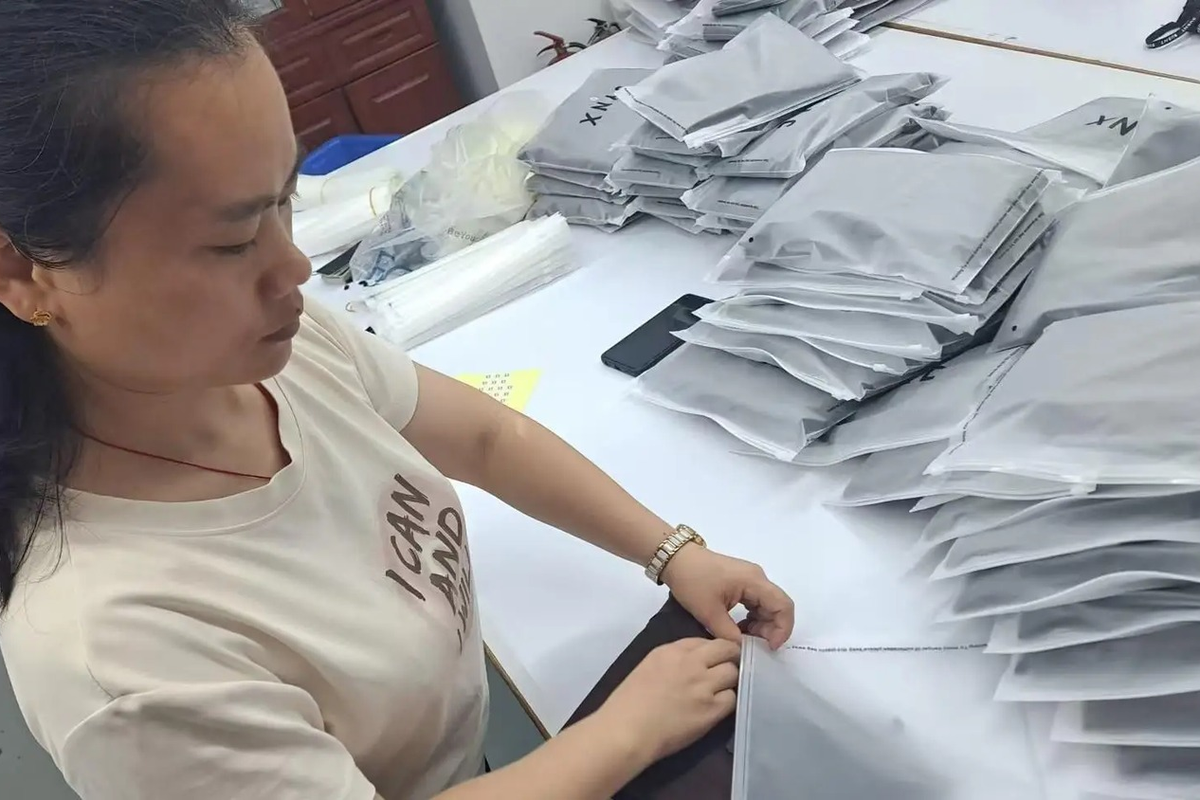
Cutting and sewing a light shell
The pattern establishes how much fabric is used, while pockets, waistband and optional mesh add their own layers. On pale shells, the assembled garment also shows how those layers affect coverage.
Develop a lightweight beach shorts style
A swatch or reference pair can establish the handfeel you want. Shell fabric, cut, pockets and lining then define the finished construction and its measured weight.
Get a Custom Quote